Template for Creating Automated Customer Follow-up Sequences for Effective Marketing
template for creating automated customer follow-up sequences enhances your ecommerce communication strategy.
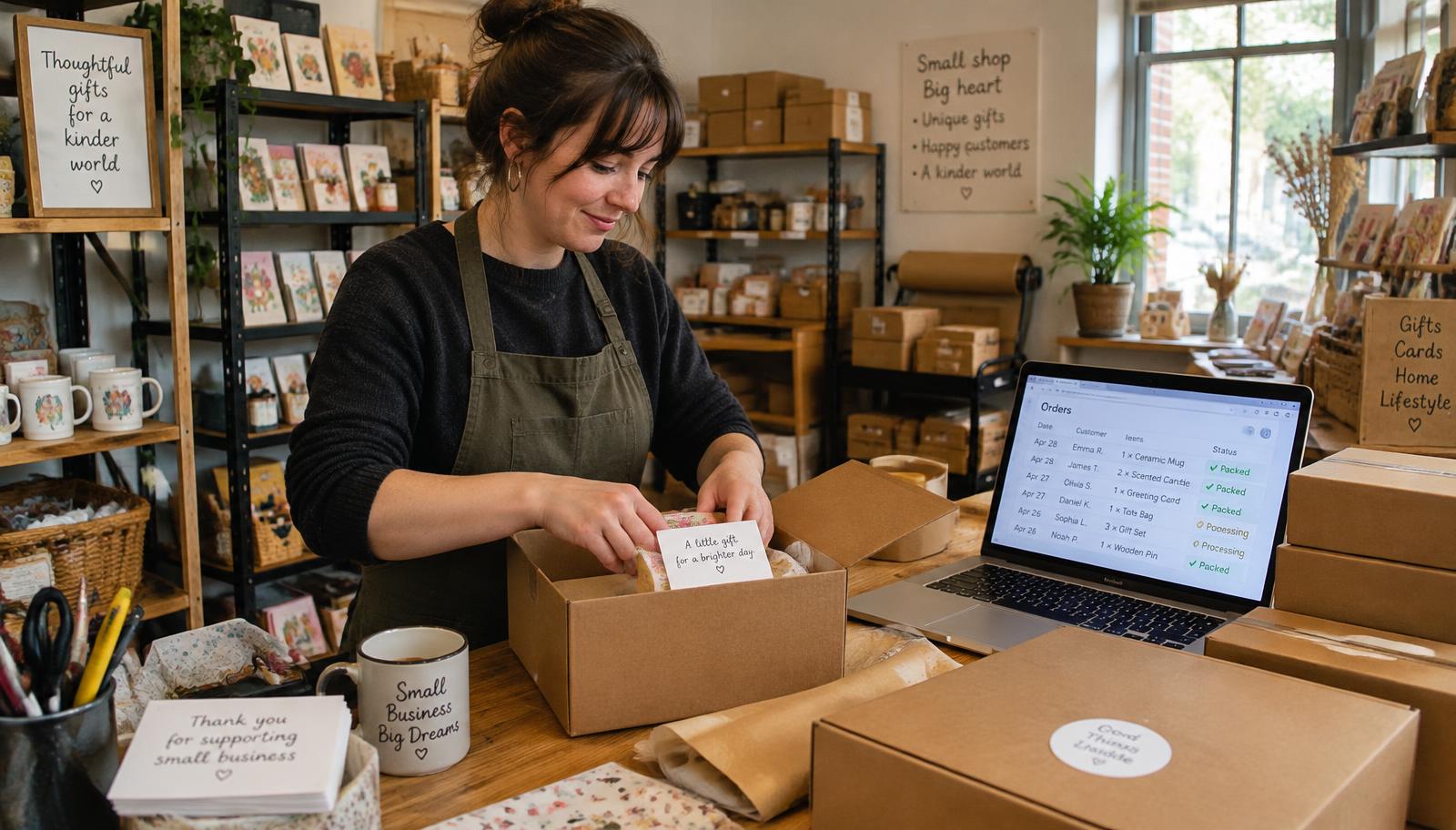
Template for Creating Automated Customer Follow-Up Sequences
Automated customer follow-up sequences are essential for maintaining engagement and improving retention. These templates streamline communication, ensuring that no customer is overlooked in the journey from initial contact to conversion. By implementing a structured approach, businesses can enhance their outreach effectiveness and foster stronger relationships with customers.
Customer Retention Strategies
Effective customer retention begins with understanding your audience's needs and preferences. Analyze customer profiles to identify key segments within your target market. Tailor your follow-up messages based on these insights to create personalized experiences that resonate with each group.
Utilizing automated messaging frameworks allows you to maintain consistent communication without overwhelming your team. Set up triggers based on user behavior—such as abandoned carts or recent purchases—to send timely reminders or offers. This proactive approach not only keeps your brand top-of-mind but also demonstrates attentiveness to customer needs, ultimately leading to higher retention rates.
Email Marketing Automation
Email marketing automation tools like Mailchimp and HubSpot facilitate the creation of effective follow-up sequences. Start by designing email templates that align with various stages of the customer journey—welcome emails, product recommendations, and feedback requests are all crucial touchpoints.
Integrate engagement metrics into your strategy by monitoring open rates, click-through rates, and conversions from automated emails. Use this data to refine your messaging over time, ensuring continuous improvement in how you connect with customers through email marketing automation.
What Tools Are Best for Automation?
Several platforms offer robust features for automating follow-up sequences. ActiveCampaign stands out due to its advanced segmentation capabilities and user-friendly interface. It allows you to build intricate workflows tailored specifically for different customer behaviors.
Consider integrating multiple tools within your tech stack for optimal results. For instance, combining an email service provider with a CRM system enhances data sharing between platforms, allowing more precise targeting in follow-ups while reducing manual efforts significantly.
Follow-Up Best Practices
To design an effective follow-up sequence template, establish clear objectives for each message sent out during the process. Identify what action you want recipients to take after receiving each email—whether it’s making a purchase or providing feedback—and craft compelling calls-to-action accordingly.
Maintain consistency in tone and branding throughout all communications; this builds trust over time as customers become familiar with your style of interaction. Additionally, test different subject lines and content formats regularly; A/B testing can reveal which variations yield better engagement results among different segments of your audience.
How Can I Improve Customer Engagement?
Improving customer engagement involves actively soliciting feedback at various points along the journey. Implement surveys following significant interactions—such as post-purchase or after support inquiries—to gather insights directly from customers about their experience with your brand.
Incorporate these findings into future outreach strategies by adjusting content based on common themes identified across responses. This iterative process ensures that you're continually aligning offerings with evolving consumer expectations while enhancing overall satisfaction levels among existing clients.
Checklist: Steps To Create Automated Customer Follow-Up Sequences
- Define objectives for each stage of the sequence.
- Segment customers based on behavior or demographics.
- Design tailored email templates corresponding to specific touchpoints.
- Choose appropriate automation tools suited for integration.
- Monitor performance metrics regularly; adjust strategies accordingly.
- Solicit ongoing feedback from customers post-interaction.
- Refine processes continuously using collected data insights.
Frequently asked questions
Web Design Burnley Team
We are a local web design team in Burnley. We write these guides from the projects we plan, build and maintain for Lancashire businesses.
Meet the team