Comparing Top Wordpress Plugins for Integration for Seamless Workflows
comparing top wordpress plugins for integration provides insights for effective choices.
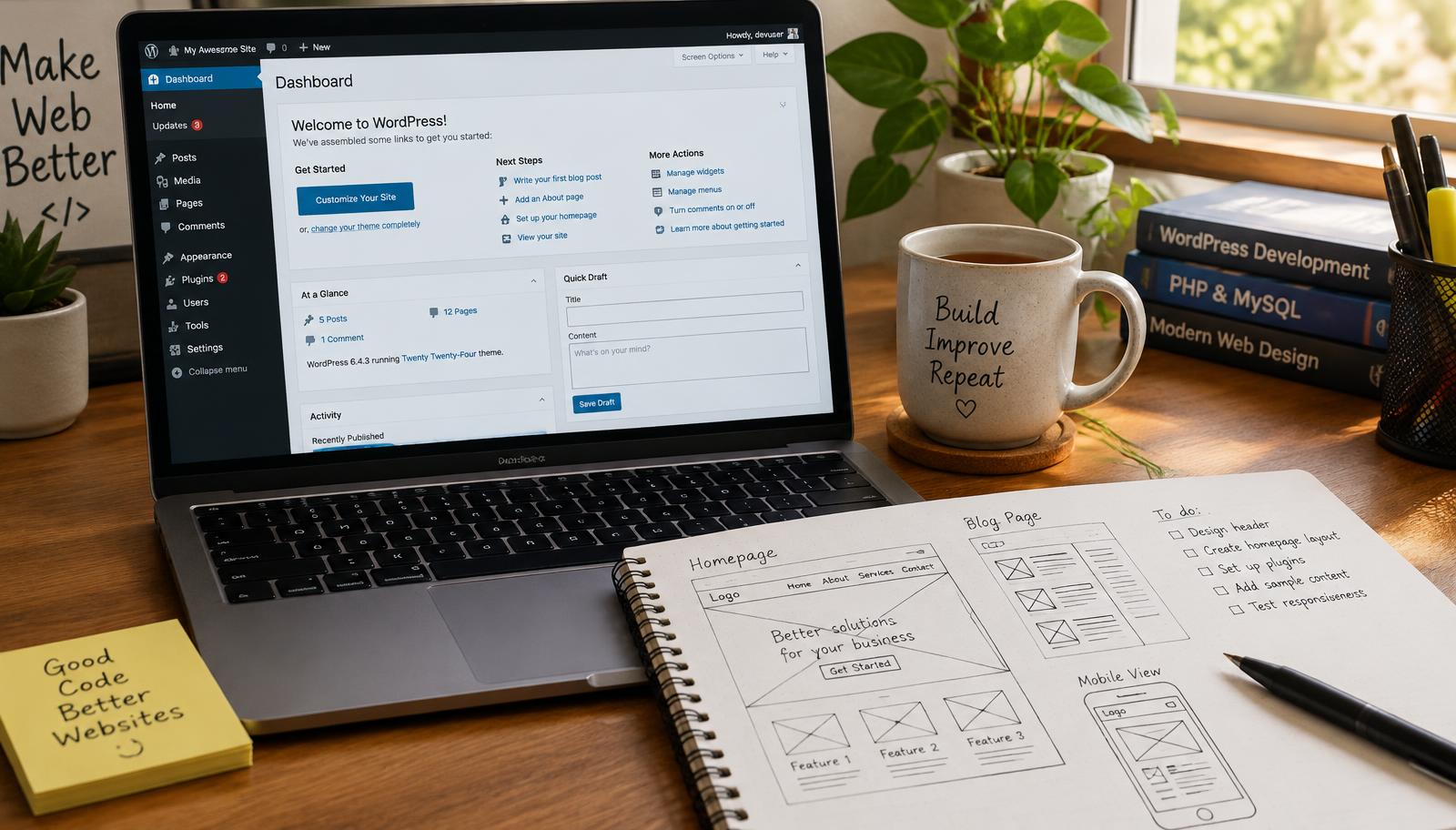
Comparing Top WordPress Plugins for Integration
When comparing top WordPress plugins for integration, it is essential to evaluate several factors that affect their performance and compatibility. The right plugin can streamline your workflow, enhance functionality, and improve user experience on your website. This guide will help you assess various plugins based on their features, integration capabilities, and user feedback.
Plugin Functionality
Understanding the core functionalities of different plugins is crucial before making a decision. Each plugin serves specific purposes such as SEO optimization, eCommerce management, or social media sharing. For instance, WooCommerce excels in eCommerce integrations while Yoast SEO focuses on improving search engine visibility.
When assessing plugin functionality, consider how well the plugin meets your specific needs. Look at its ease of use and whether it integrates seamlessly with other tools you currently use. A reliable plugin should not only perform its primary function but also offer additional features that enhance overall site performance.
Integration Capabilities
Integration capabilities determine how well a plugin works with other systems or services you may be using. Many plugins offer built-in integrations with popular platforms like Zapier or Mailchimp to automate tasks and manage data flow efficiently.
To compare integration options effectively:
- Identify Your Needs: List the external services you need to integrate.
- Check Compatibility: Review each plugin's documentation for supported integrations.
- Evaluate Ease of Setup: Consider how straightforward the installation process is for these integrations.
By focusing on these aspects, you can ensure that the chosen plugins will work harmoniously within your existing ecosystem without causing conflicts or requiring extensive modifications.
User Reviews
User reviews provide valuable insights into real-world experiences with each plugin. They often highlight strengths and weaknesses that may not be apparent from official descriptions alone. Focus on recent reviews to gauge current performance levels since updates can significantly alter functionality over time.
Pay attention to common themes in feedback regarding usability issues or outstanding support from developers. High ratings combined with responsive customer service are indicators of a trustworthy product that can adapt as your needs evolve.
Checklist for Evaluating Plugins
- Define primary objectives (e.g., eCommerce vs content management).
- Research available options thoroughly.
- Analyze feature sets against requirements.
- Verify compatibility with existing tools.
- Read user reviews across multiple platforms.
Frequently asked questions
Web Design Burnley Team
We are a local web design team in Burnley. We write these guides from the projects we plan, build and maintain for Lancashire businesses.
Meet the team